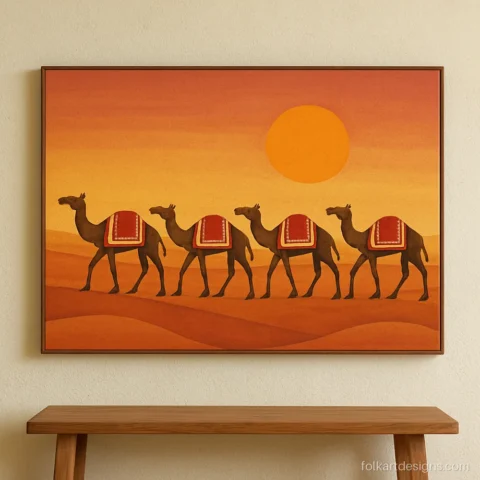
Kalighat Art Gallery: Cats, Fish, Birds and Flowers
12 designs Folk paintings Updated 9 Oct 2026
Kalighat art is a fast, confident style of brush painting from Kolkata, West Bengal, made with a few sweeping strokes of watercolour on plain paper. The outlines are thick and curving, the colours are flat, and there is almost nothing in the background.
These kalighat painting images are all original designs. You will find the well-known cat with a fish, birds, river fish, flowers and simple still life, each with its medium, motifs and one tip from the class table. The old painters also made everyday and satirical scenes of city life, but we keep to animals and objects here.
If you like bold lines and strong colour, you may also enjoy our pattachitra painting gallery from Odisha and the long story panels of Cheriyal scroll painting.
The Famous Kalighat Art Cat with Fish
A plump cat with a fish in its mouth is among the most famous kalighat paintings. The big round body and cheeky expression come from just a handful of broad strokes.
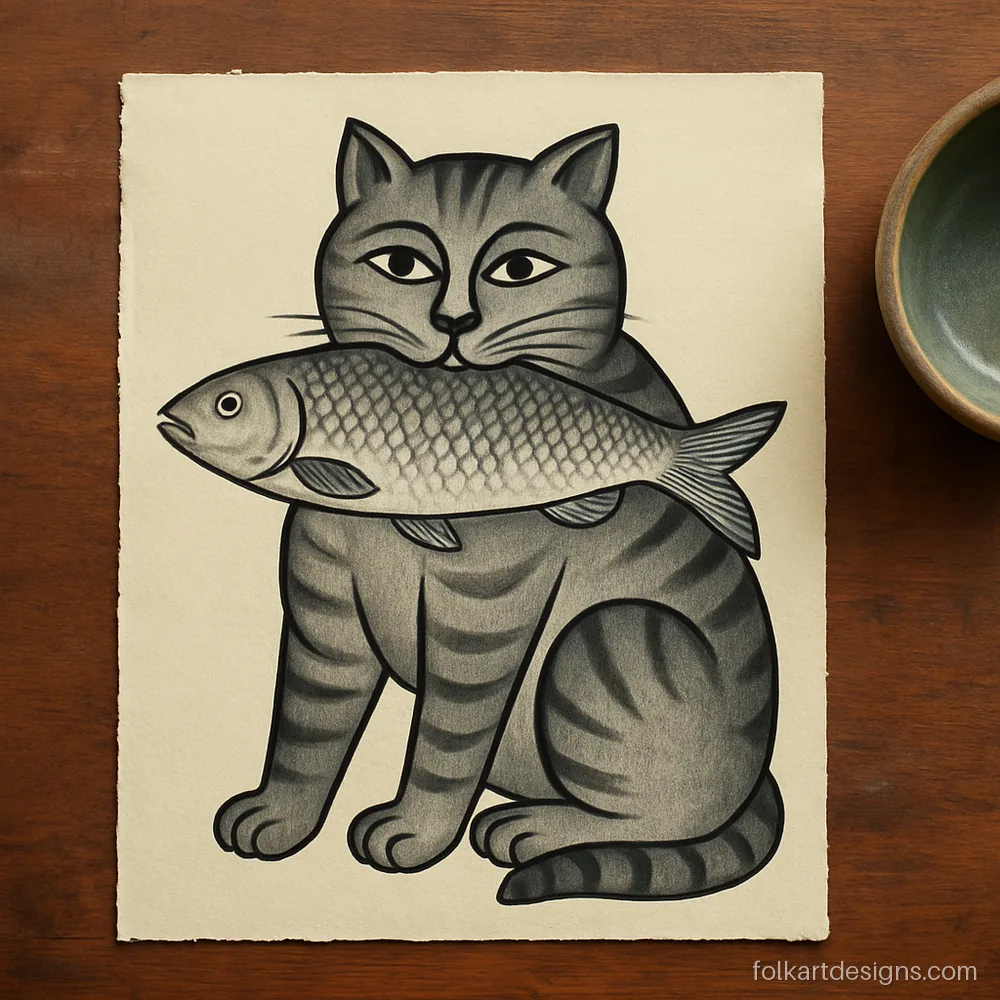
The cat fills nearly the whole sheet, and the fish curves out from its jaws like a smile. A fun piece of Kalighat painting West Bengal families will know at once, ideal for a dining area.
Artist tip Load a size 10 round brush fully and pull the back line in one go, without lifting.
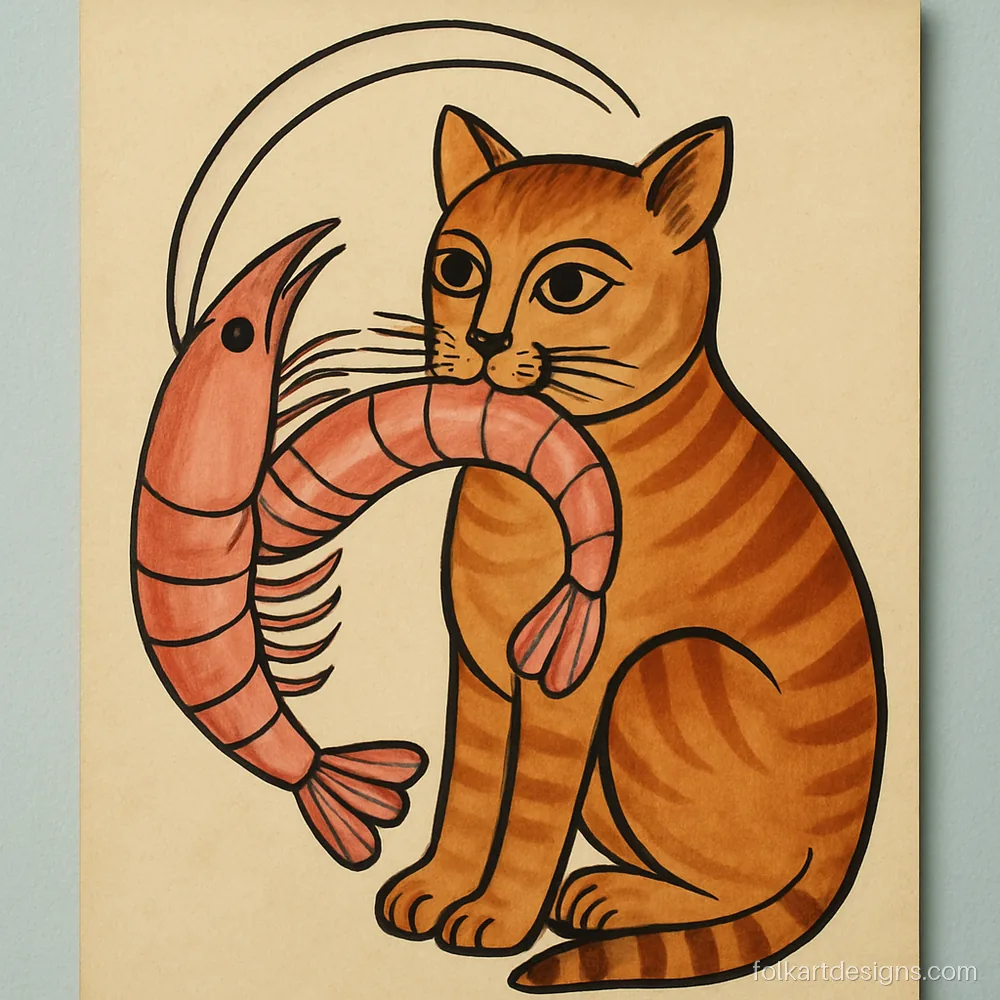
A pink prawn almost as big as the cat makes this one playful and a little cheeky. Kids and adults both smile at it.
Artist tip Paint the prawn shell in short curved bands, leaving a thin white gap between each one.
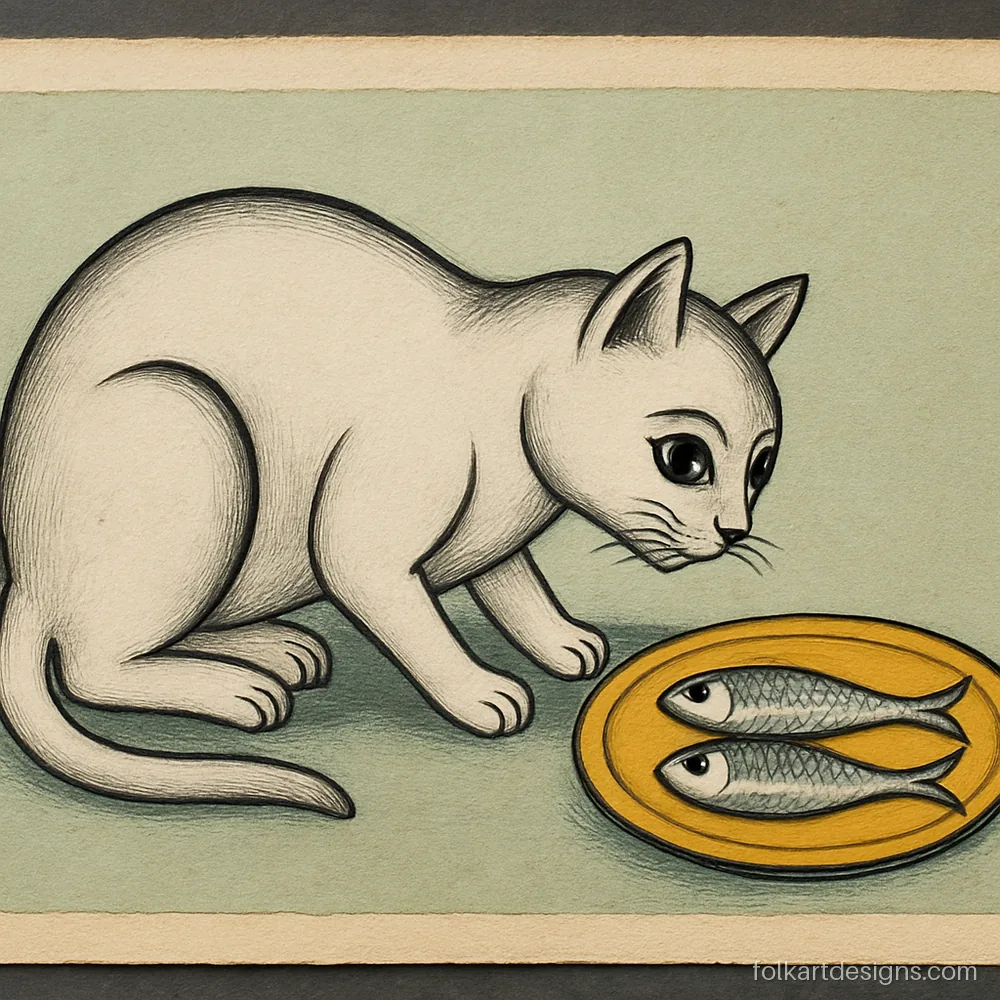
Here the cat has not grabbed the fish yet, which adds a bit of story. It works well framed in a kitchen or on a study shelf.
Artist tip For a white cat, leave the paper bare and shade only along the outline with thinned grey.
Kalighat Painting of Birds and Fish
Birds and fish were sold in the bazaar as small, cheap pictures, and they still make the best practice subjects. River fish were a natural choice in a city so fond of fish curry.
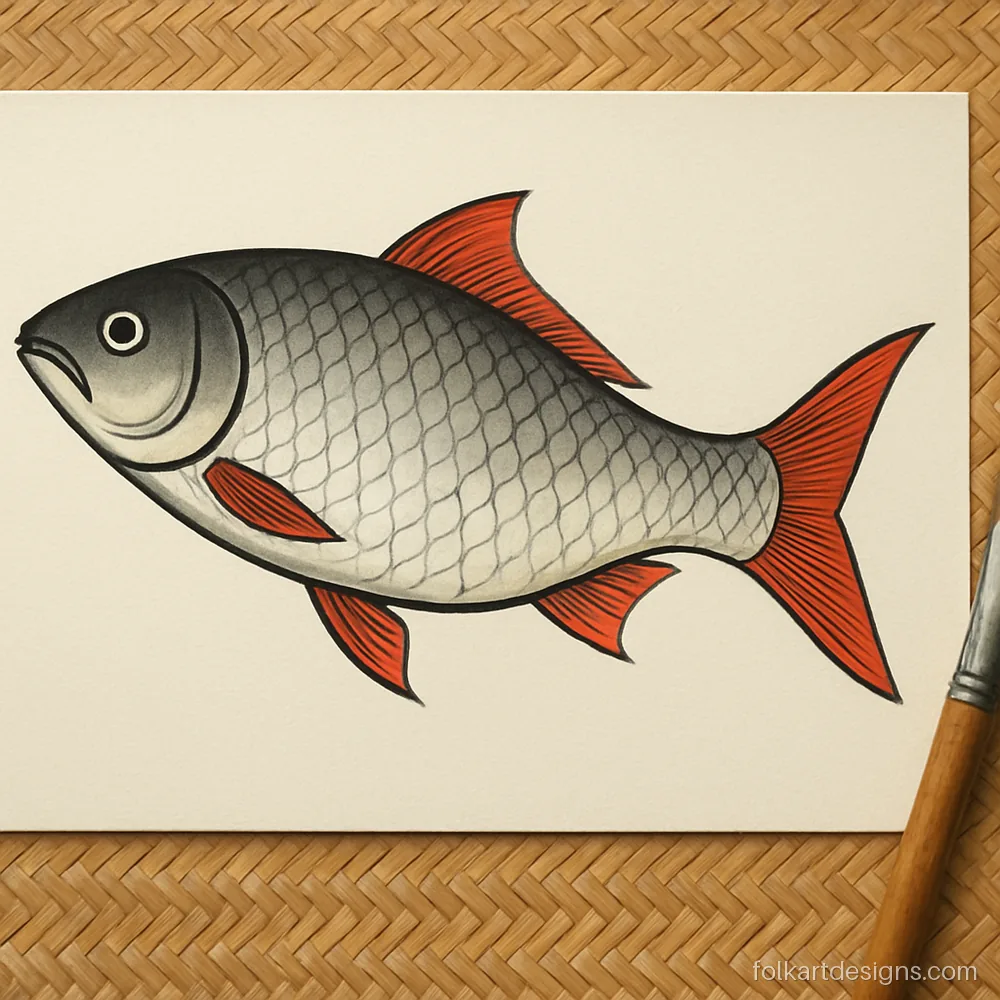
One big fish set at a slight angle feels full of movement. A simple kalighat painting that suits a kitchen or a class wall.
Artist tip Dab the scales with the side of a flat brush while the grey wash is still damp.

Bright green birds with red beaks pop against bare paper. Good for a bedroom or as a cheerful gift.
Artist tip Paint each parrot body in two strokes, one for the back and one for the chest.
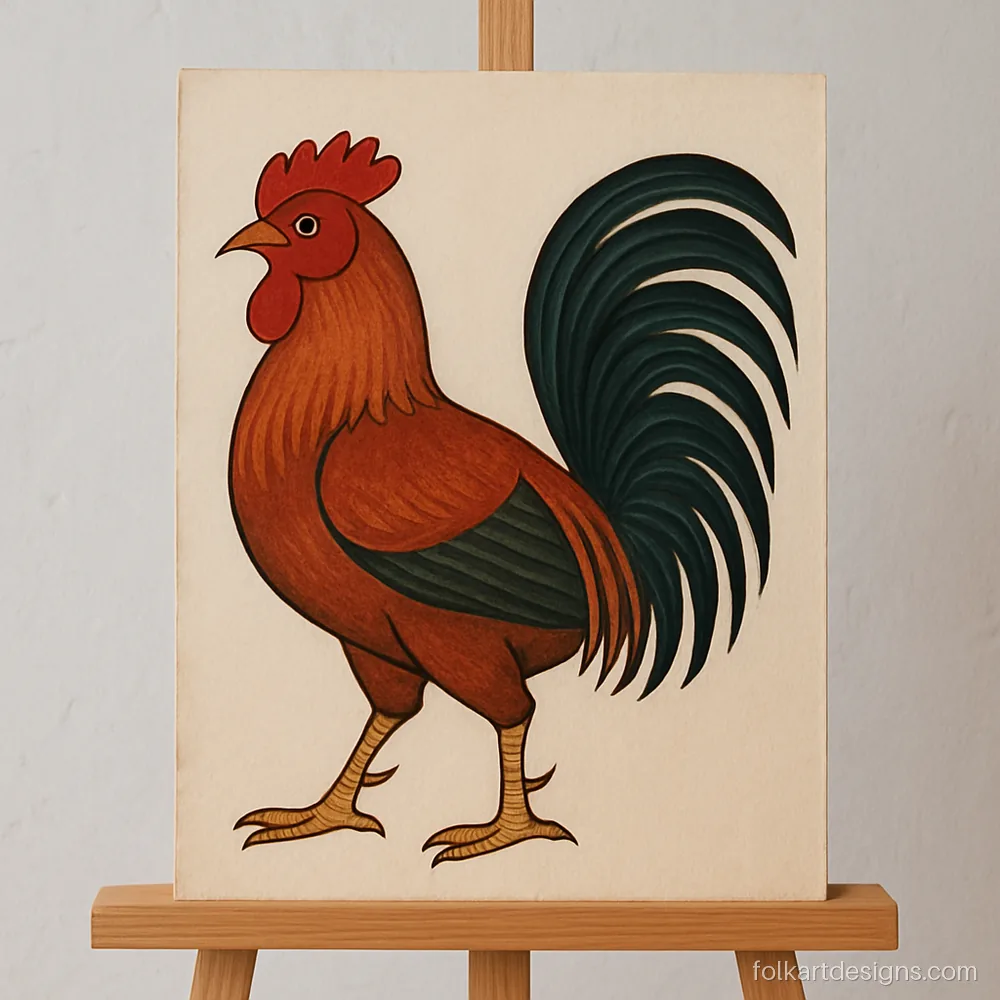
The tail is a burst of curved strokes in black, green and rust. It brings energy to a hallway or verandah wall.
Artist tip Let each tail stroke start thick and lift off thin, like a comma.
What Is Kalighat Painting
Kalighat painting, also called Kalighat pat or Kalighat chitrakala, grew in the nineteenth century around the old Kalighat area of Kolkata. Village scroll painters and potters from rural Bengal settled there because the busy bazaar had a steady flow of buyers. Their lanes came to be known as the Kalighat patuapara, the painters' quarter.
Visitors wanted cheap pictures they could carry home, so the painters worked fast on mill-made paper. Speed shaped the whole Calcutta Kalighat style: one bold outline, a quick wash, and no background. Over time they painted everyday life, gentle satire on city habits, and animals like the cat with a fish. Part of the work was traditionally devotional, but our gallery shows only animals, birds, flowers and objects.
| Feature | What to look for |
|---|---|
| Place | Kolkata, West Bengal |
| Surface | Paper, single sheets |
| Lines | Thick sweeping outlines, shaded on one side for a rounded look |
| Colour | Flat watercolour washes, few colours, silver touches |
| Background | Plain and empty |
| Famous subjects | Cat with fish or prawn, fish, birds, still life |
For school notes on the kalighat painting of West Bengal, remember four words: fast, bold, round and plain. Compare it with the dense filled patterns of Madhubani painting, which leaves no empty space at all.
Kalighat Folk Art Flowers and Still Life
Kalighat folk art also turned simple things into pictures: a pot, a fruit, a single flower. These are calm pieces that help you practise smooth curves.
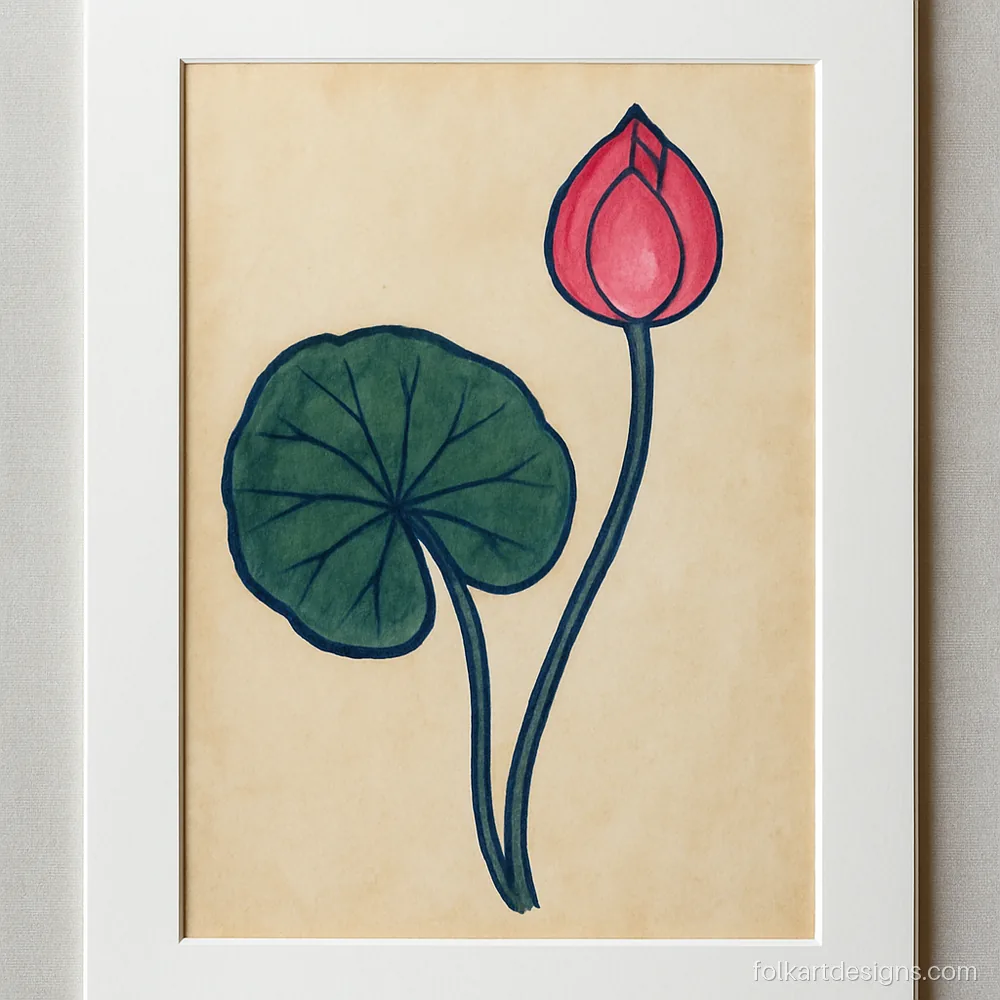
One bud, one leaf and a long stem make a clean, modern layout. It looks lovely in a white frame on a pale wall.
Artist tip Wet the leaf area first, then drop in two greens and let them mix on the paper.
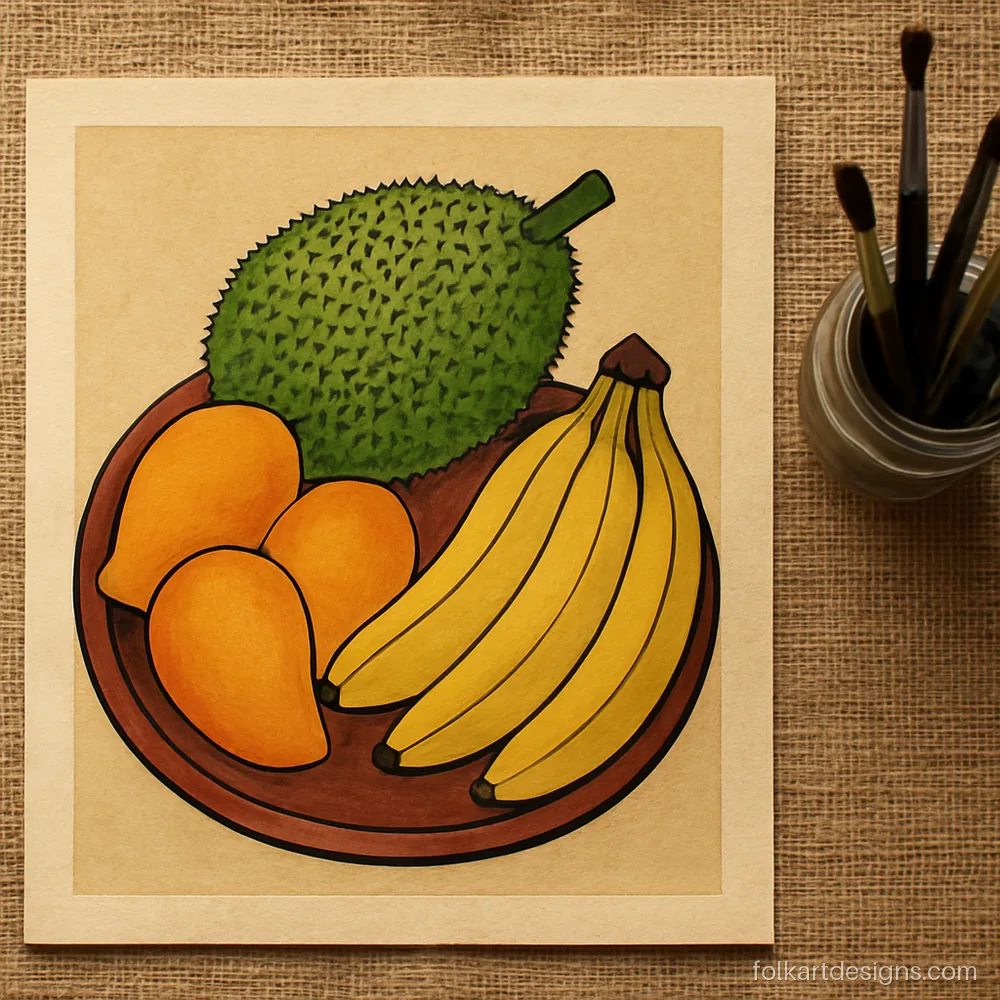
Rounded fruit shapes are perfect for practising shaded outlines. A warm piece for the dining room.
Artist tip Dot the jackfruit skin with the tip of a size 2 brush after the base is fully dry.
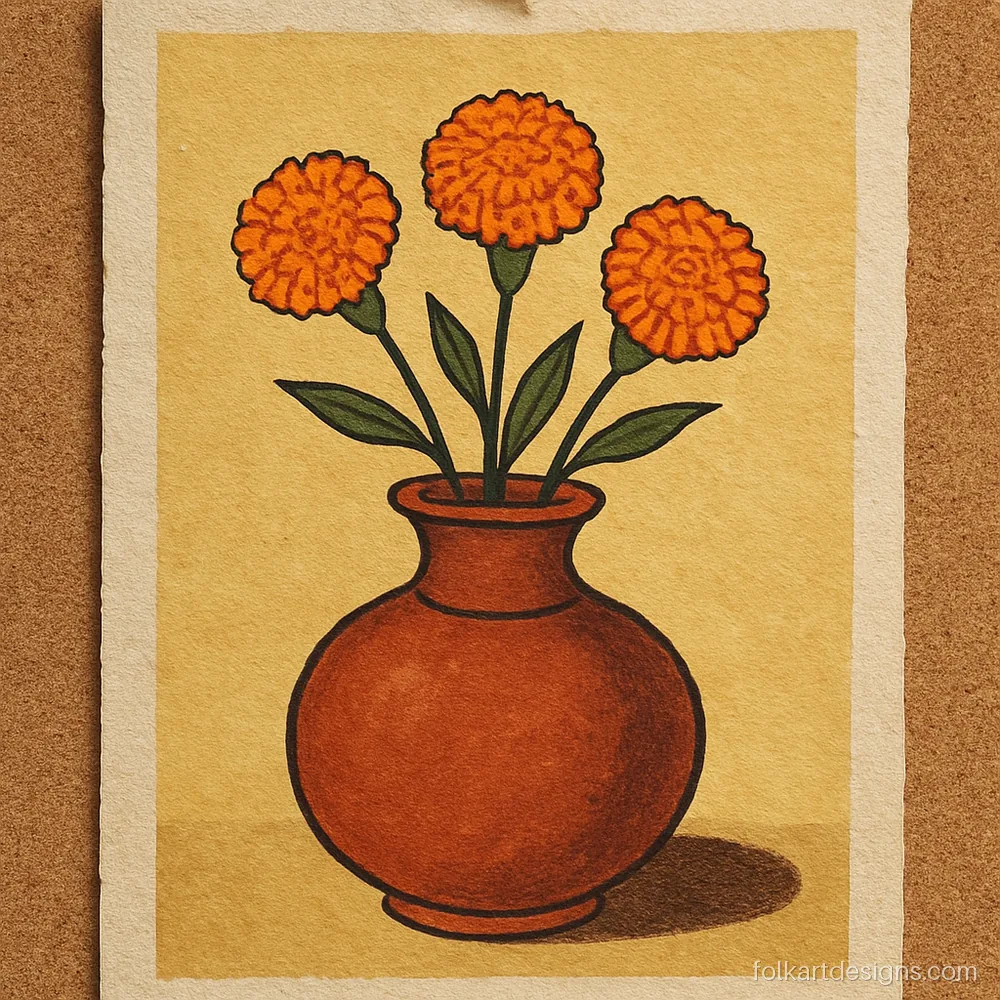
A plain clay pot with a few marigolds feels very Bengali and homely. Easy enough for a weekend hobby session.
Artist tip Build each marigold from small C-shaped dabs of orange, darker in the middle.
Easy Kalighat Painting with a Watercolour Wash
These easy kalighat painting sheets show the process in stages, from pencil to finished wash. They suit beginners, school projects and kalighat painting for kids.
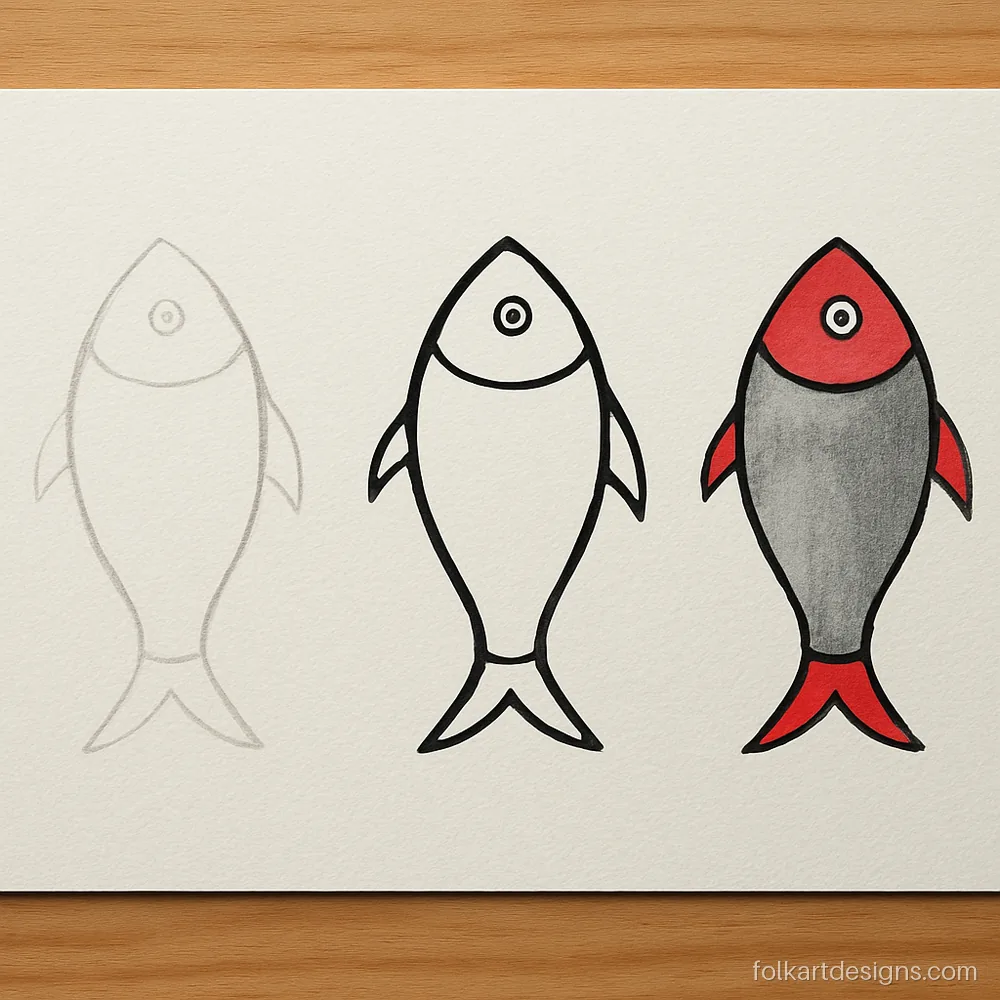
Pencil, outline and colour sit side by side so learners can follow along. Teachers can print it as a guide.
Artist tip Practise the outline five times on scrap paper before you touch the good sheet.
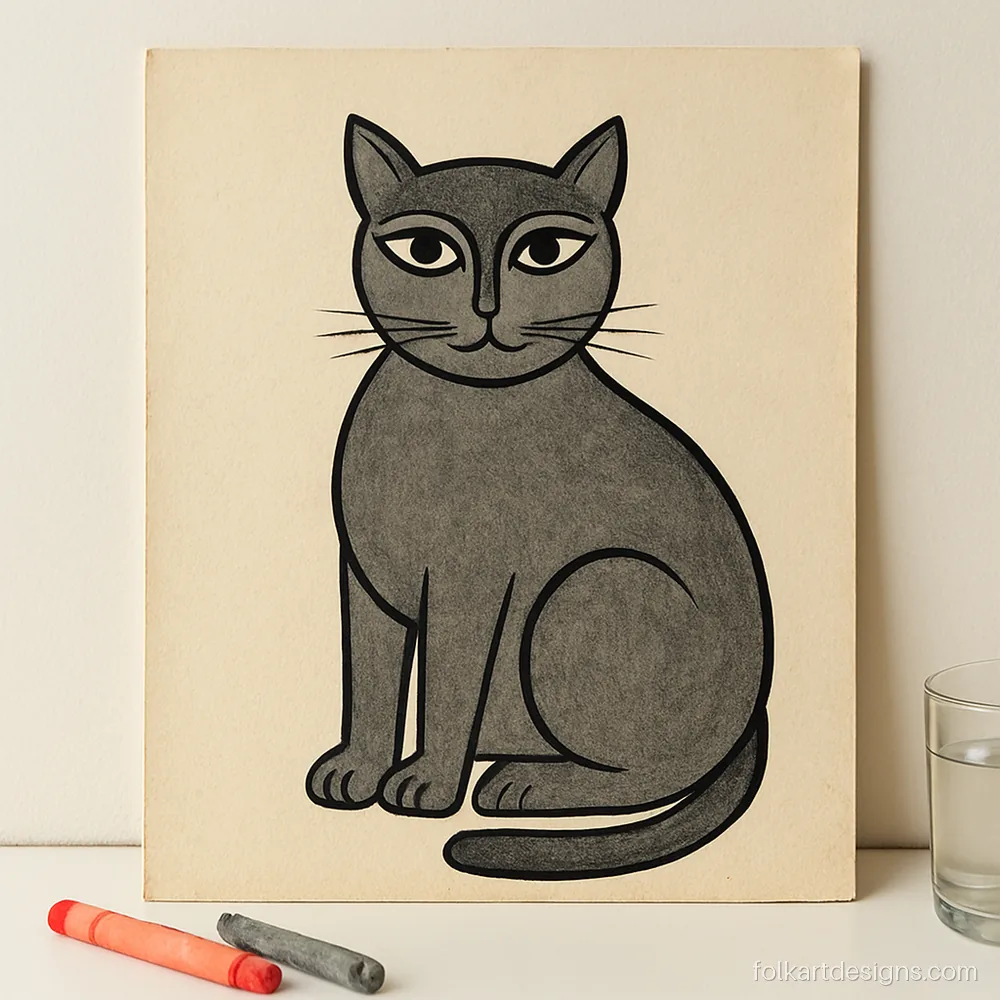
A sitting cat made of two ovals and a tail is the friendliest first project. It looks good even if the lines wobble.
Artist tip Draw a big oval for the body and a small one for the head, then join them.
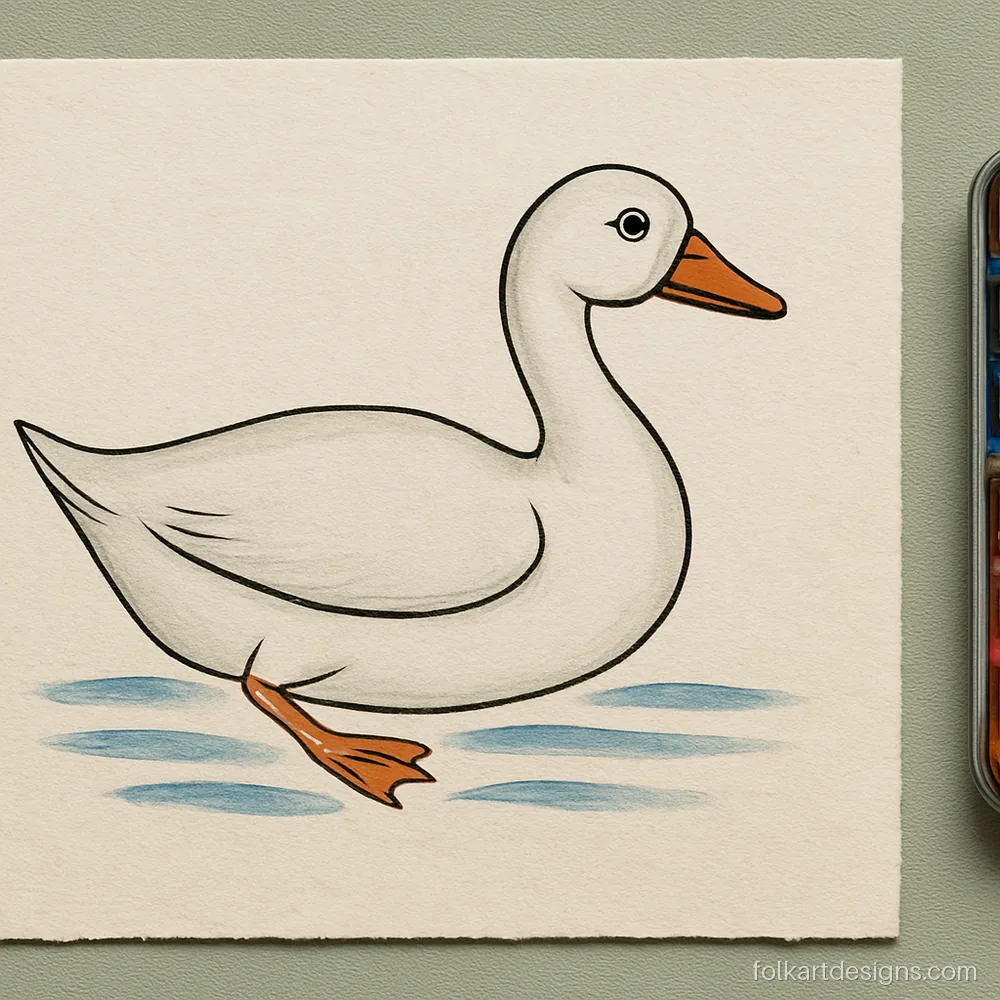
Three blue strokes under the duck are all the water you need. It shows how little a kalighat pat leaves in the background.
Artist tip Use a thinned blue wash and stop after three strokes so the paper stays clean.
How to Paint a Kalighat Cat at Home
- Gather supplies. A4 paper of 250 to 300 gsm, watercolour or poster colour, a size 10 round brush, a size 2 round brush, a pencil and two water jars.
- Sketch big. Draw an oval body and a round head that fill most of the page. Add the fish across the mouth.
- Outline first. Thin black paint until it flows like ink. Pull long strokes from the shoulder down the back, then the belly.
- Shade the edge. While the outline is wet, brush a little water along the inner side so it fades into a soft grey shadow.
- Add flat colour. Wash the body and fish in one or two colours. Leave the background bare.
- Finish details. Use the size 2 brush for stripes, whiskers, eyes and fish scales once the wash is dry, about 15 minutes.
Poster colour gives a flatter, brighter look, and watercolour gives a softer one. A small piece takes about an hour. Keep the finished sheet flat under a heavy book for a day, then frame it behind glass, away from damp walls. A hand-painted original costs more than a print because of thicker paper, size and hours of work. For a bolder dotted style, try our Gond art gallery next.
Questions about these designs
What is Kalighat painting?
It is a quick, bold style of brush painting on paper from Kolkata. Painters used thick sweeping outlines, flat washes of colour and plain backgrounds, and sold the pictures cheaply in the bazaar.
Why is the Kalighat cat with a fish so well known?
It is one of the most copied and loved subjects of the style. The cat is drawn in a few round strokes and holds a fish or prawn, which many people read as a light joke about greed or sly behaviour. It is also a great beginner project.
Is there an easy kalighat painting for kids?
Yes. A sitting cat, a single fish or a floating duck works well. Ask children to draw big, use one thick outline and fill it with one flat colour. Thick 300 gsm paper stops the sheet from curling.
Why did the scroll painters and potters come to Kalighat?
Village patua painters and potters moved to the Kalighat area of Kolkata because the crowded bazaar gave them many buyers every day. They painted fast on single sheets of paper instead of long scrolls so they could sell more pictures.
What are the main features of Kalighat painting?
Look for thick curving outlines with soft shading on one side, flat colour, few colours, plain empty backgrounds and a lively, slightly humorous feel. Silver touches were sometimes added to fish and jewellery-like details.
What paper and paint should I use for Kalighat art?
Use 250 to 300 gsm watercolour or cartridge paper. Watercolour gives soft washes and poster colour gives a flatter finish. One large round brush for outlines and one small brush for details is enough to begin.